
Cold-weather camping demands gear that won’t quit after one trip. You want durable outdoor gear that stands strong against frost, snow, and repeated use. In this guide, you’ll learn how to pick winter gear built to last, from tough materials to smart designs — plus why Moose in a Lake’s titanium cookware and insulated mugs are top picks for your camp kitchen in cold weather. Ready to gear up for your next freeze-proof adventure?
Choosing Durable Cold-Weather Gear
Picking the right gear is key to enjoying your cold-weather adventures. Durable outdoor gear can withstand harsh conditions, giving you the confidence to explore more.
Best Materials for Camping Gear
When it comes to choosing materials, aim for those that offer strength and longevity. Titanium is a top choice for cookware: it’s lightweight yet strong, making it perfect for backpacking. Unlike heavier metals, titanium can handle high temperatures without warping. Other great materials include Gore-Tex for clothing, which keeps moisture out while letting sweat escape, and down insulation for sleeping bags that keep you warm without adding bulk.
Some campers overlook the importance of material, thinking all camping gear is similar. This could lead to choosing items that fail under stress. Always check what your gear is made from to ensure it meets your needs.
Construction for Repeat Use
It’s not just about what gear is made of, but how it’s put together. Look for reinforced stitching on clothes and tents. Double-stitched seams provide extra strength where it’s needed most. For cookware, ensure handles are securely attached and lids fit snugly. These small details can make a big difference in reliability.
Consider the design features that enhance usability, like ergonomic designs or multi-purpose tools. Gear designed with repeat use in mind will save you money and trouble in the long run. When you invest in well-constructed gear, you’re investing in your comfort and safety.
Sustainable Outdoor Equipment
Durability isn’t just about lasting materials or construction. It’s about making choices that are kind to the planet. Sustainable outdoor equipment helps ensure that your love for nature doesn’t harm it.
Eco-Friendly Camping Gear Choices
When selecting gear, consider eco-friendly options. Choose products made from recycled materials or those that are biodegradable. This reduces your environmental impact. Look for brands committed to sustainability, like those using organic cotton or recycled polyester in their clothing lines. Some brands use solar-powered technology for lights and chargers, reducing reliance on disposable batteries.
Being mindful of your gear’s impact can make a difference. You not only enjoy your adventures but also help preserve the environment for future explorers.
Benefits of Titanium Cookware
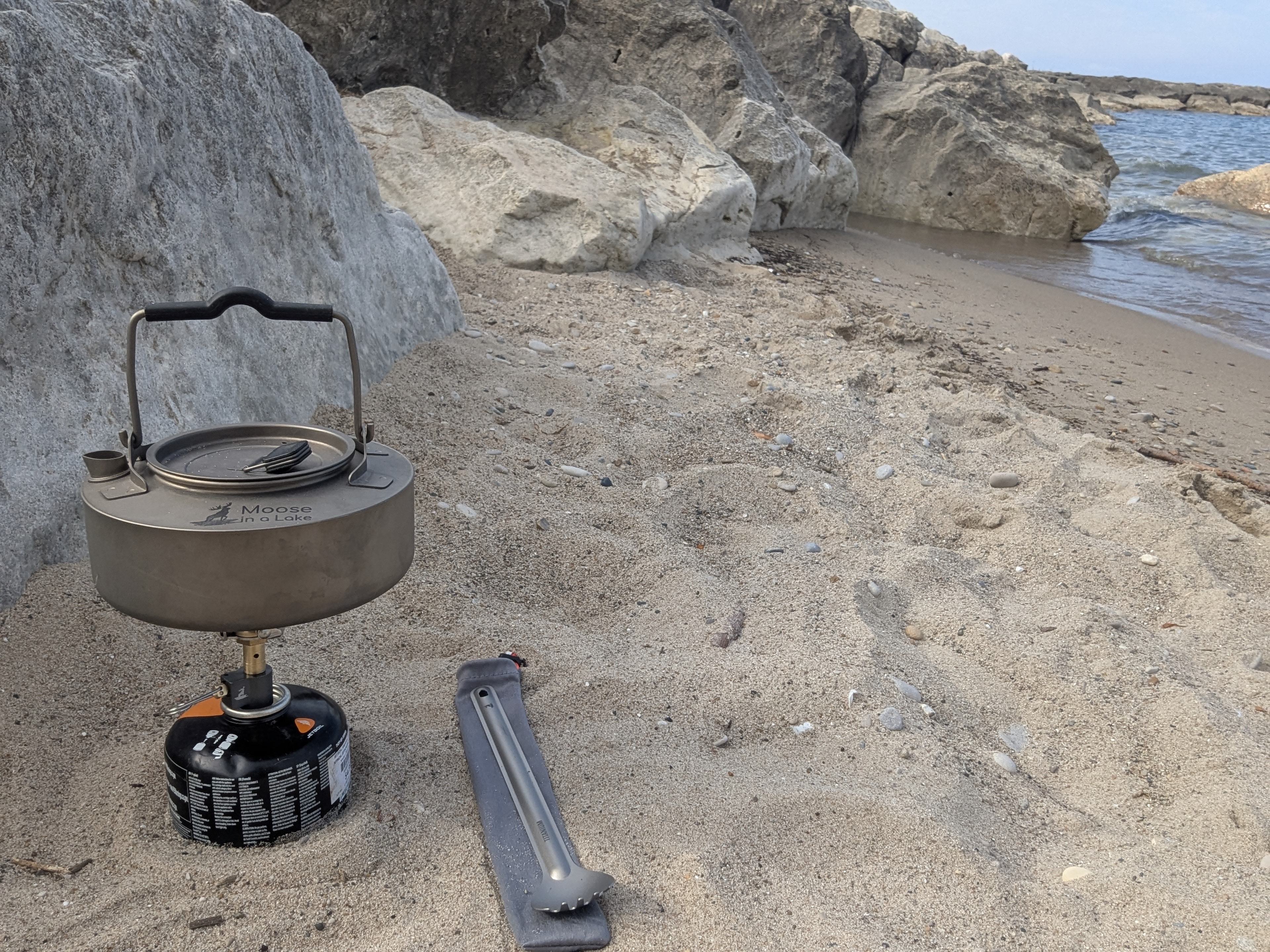
Titanium cookware is a standout in sustainability and performance. It’s incredibly durable, resisting wear and tear better than most materials. This means fewer replacements and less waste. It’s also non-toxic, ensuring safe cooking without harmful chemicals leaching into your food.
The lightweight nature of titanium makes it ideal for backpacking. Despite its feather-like weight, it conducts heat efficiently, allowing for quicker cooking times and less fuel usage. This means a lighter load and a smaller environmental footprint.
Winter Camping Tips and Essentials
As you prepare for your winter adventure, having the right tips and essentials can enhance your experience. A well-stocked camp kitchen and proper gear are crucial.
Camp Kitchen in Cold Weather
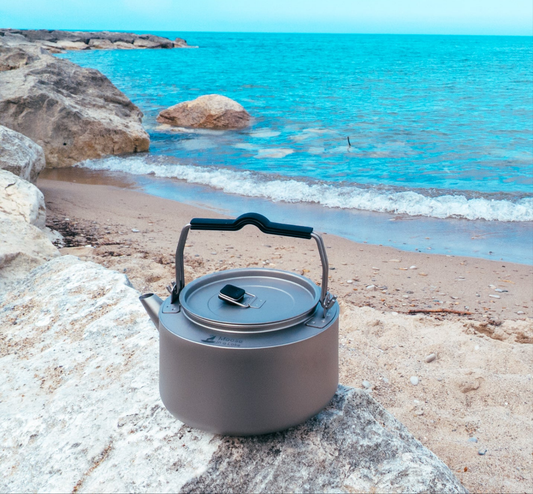
Preparing meals in the cold can be challenging, but with the right setup, it becomes a breeze. Use an insulated titanium mug to keep drinks hot or cold for hours, perfect for warming up with tea or coffee. Invest in a titanium cook set for efficient heating, so your meals are ready quickly and evenly.
Consider packing lightweight options like dehydrated meals, which are easy to prepare with boiling water. Don’t forget a reliable stove that works well in low temperatures. These essentials ensure you enjoy delicious meals no matter the weather.
Gear for Backpacking in Winter
Backpacking in winter requires special gear to stay safe and comfortable. Start with a high-quality sleeping bag rated for sub-zero temperatures. Layer your clothing: base layers to wick moisture, mid-layers for insulation, and outer layers to protect from wind and wet.
Footwear is crucial; choose boots that are waterproof and insulated. Use lightweight backpacking cookware to keep your pack manageable. Lastly, pack extra food and water, as you’ll burn more calories in the cold.
😊🏕️❄️
Frequently Asked Questions
What materials should I look for in winter camping gear?
Opt for materials like titanium for cookware and Gore-Tex for clothing. These materials provide strength, insulation, and water resistance, making them ideal for cold-weather conditions.
Why is titanium cookware preferred for outdoor adventures?
Titanium cookware is lightweight and durable, making it easy to carry without compromising on strength. It heats quickly and is non-toxic, offering safe and efficient cooking.
How can I make my camping trip more eco-friendly?
Choose gear made from recycled or biodegradable materials, and support brands committed to sustainability. Use solar-powered devices and pack out everything you bring in to minimize your environmental impact.
Reader Interactions