
Forget hauling bulky gear that clutters your pack and leaves waste behind. Your next camp kitchen can be simple, durable, and zero waste without sacrificing convenience. We’ll show you how to build a low-waste camp kitchen that lasts trip after trip, featuring lightweight titanium cookware, insulated mugs, and BPA-free water bottles from Moose in a Lake. Ready to cut down on trash and gear weight? Let’s get started. Check out this guide for more tips on setting up the perfect camp kitchen.
Create a Low-Waste Camp Kitchen
Ready to set up a sustainable camp kitchen? Here’s how you can make it happen with ease.
Essentials for Zero Waste Camping
Start your zero-waste camping by focusing on the essentials. Pack only what you need to minimize waste and reduce weight. Opt for reusable items like titanium cookware and BPA-free water bottles. These choices ensure durability and cut down on single-use waste.
Next, consider your meal plans. Bring ingredients in reusable containers and choose foods that require minimal packaging. Preparing meals in advance helps avoid food waste and ensures you have just the right amount on hand. Check out this Instagram post for more inspiration on reusable gear for your adventure.
Benefits of Titanium Cookware
Titanium cookware is a game-changer for camping. It’s lightweight yet sturdy, making it perfect for outdoor adventures. You won’t have to worry about carrying heavy pots and pans.
Another perk is its excellent heat conduction. Your meals cook evenly, saving you time and fuel. Plus, titanium is non-toxic, ensuring your food stays safe. Imagine enjoying a hot meal cooked quickly over your campfire, all while knowing you’re reducing your environmental footprint.
Sustainable Camp Cooking Tips
Sustainable camp cooking starts with your choice of gear. Use a portable stove powered by renewable fuels like wood or solar. This approach minimizes reliance on disposable propane canisters.
When cooking, be mindful of portion sizes to avoid leftovers that may be difficult to store. If you do have extras, pack them in reusable containers for your next meal. Practicing these habits makes a difference in maintaining a low-impact campsite. For more tips on setting up a sustainable kitchen, visit this guide.
Gear for a Repeatable Setup
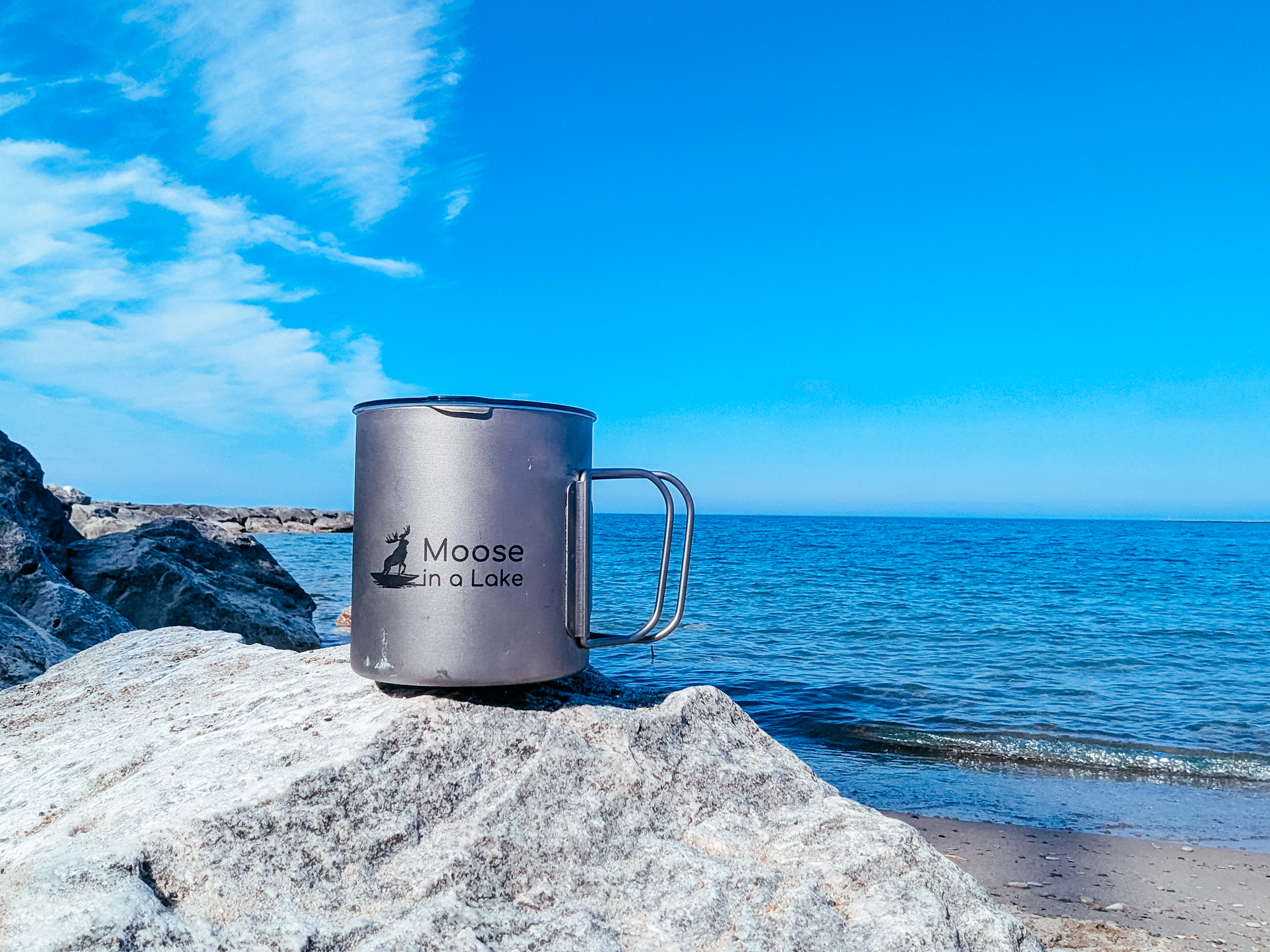
Setting up a camp kitchen that you can use over and over is a smart move. Here’s the gear you need for a reliable setup.
Insulated Titanium Mug Features
The insulated titanium mug is a must-have for any camping enthusiast. Its lightweight design means it won’t weigh you down, while the insulation keeps your drinks hot or cold for hours.
These mugs are perfect for coffee lovers who want a warm cup by the campfire. Plus, their durability ensures they can withstand rough handling during your adventures. The mug’s sleek design and practicality make it a favorite among campers. Imagine sipping hot cocoa from your durable mug while taking in a stunning mountain view.
Nesting Cook Set Advantages
A nesting cook set offers incredible convenience for campers. These sets are compact, fitting together like a puzzle, which saves space in your backpack. Each piece can be used for various cooking tasks, from boiling water to frying.
The versatility of a nesting cook set means you won’t have to carry multiple pieces of cookware. Instead, you get a multifunctional solution that’s easy to pack. This streamlined approach ensures you have all you need without the bulk.
BPA-Free Water Bottle Benefits
Choosing a BPA-free water bottle is crucial for both your health and the environment. These bottles are free from harmful chemicals that can leach into your drink. They’re also designed for reuse, which reduces plastic waste.
With a high-capacity BPA-free bottle, you can carry enough water for your entire trip, eliminating the need for single-use bottles. They’re perfect for long hikes and ensure you stay hydrated without the extra waste. For more ideas on eco-friendly gear, join discussions in the Eco-Friendly Camping Group.
Practical Tips for Eco-Friendly Camping

You’re almost ready to head out with your eco-friendly kitchen. Here’s how to take it up a notch with some practical tips.
Camp Meal Prep and Planning
Meal prep is key to a successful camping trip. Plan your meals based on the duration of your trip and the resources available. Pre-cook meals at home and store them in reusable containers for easy access on the trail.
This approach minimizes food waste and ensures you have delicious, ready-to-eat meals. Proper planning also helps reduce the amount of trash you’ll have to deal with, keeping your campsite clean and green.
Reusable Camp Containers Guide
Investing in reusable camp containers is a smart move. Look for durable, lightweight options that can be easily packed. These containers are great for storing leftovers and organizing ingredients.
They help reduce your dependency on single-use plastics and contribute to a clutter-free campsite. By using reusable containers, you’re taking a significant step toward more sustainable camping practices.
Leave No Trace Cooking Practices
Adopting Leave No Trace practices ensures your cooking has minimal impact on the environment. Use biodegradable soap for cleaning your dishes and dispose of any waste properly.
Pack out what you pack in, including food scraps and trash. This approach preserves natural areas for future campers and protects wildlife. By practicing these habits, you contribute to the conservation of beautiful camping spots for everyone to enjoy.
Frequently Asked Questions
What makes titanium cookware ideal for camping?
Titanium cookware is lightweight and durable, making it perfect for camping. It conducts heat well, ensuring even cooking, and is non-toxic, keeping your meals safe.
How can I minimize waste during camping trips?
Minimize waste by using reusable containers, planning meals to avoid food waste, and choosing gear like BPA-free water bottles and titanium cookware that can be reused.
Why should I choose a BPA-free water bottle?
BPA-free water bottles are safe for your health and environmentally friendly. They don’t leach chemicals into your drink and reduce plastic waste by being reusable.
How do I practice Leave No Trace cooking?
Use biodegradable soap, dispose of waste properly, and pack out all trash and food scraps to minimize your environmental impact when cooking outdoors.
What are the benefits of a nesting cook set?
Nesting cook sets are compact and versatile, saving space and weight in your pack. They offer multiple cooking options in one easy-to-carry set.
Reader Interactions