
Long hikes and all-day travel demand more than just stamina—they require the right gear. Your high-capacity water bottle can make or break your hydration game on the trail. Knowing what to look for helps you pick the best water bottle for long hikes that stays leakproof, lightweight, and built to last. Let’s break down the key features so you can choose a Moose in a Lake bottle that fits your next adventure perfectly. Explore the Moose in a Lake High-Capacity Water Bottles collection.
Essential Features of High-Capacity Water Bottles
Choosing the right water bottle involves understanding what makes it durable and user-friendly. Let’s begin with the core features you should prioritize.
Durability and Material Choices
Durability is key when picking a water bottle for outdoor adventures. Stainless steel and titanium are popular choices. Stainless steel offers strength and a longer lifespan, while titanium is lightweight and equally durable. Both materials withstand tough conditions, ensuring your bottle endures on rough trails.
Plastic bottles, especially BPA-free options, are another choice. They’re lightweight but can be less durable than metal options. If you opt for plastic, ensure it’s thick enough to resist crushing. For more on durable hiking gear, ensure your bottle matches your adventure needs.
Cap Styles for Every Need
Caps might seem minor, but they significantly impact usability. Screw caps are leakproof, making them great for travel. Flip-top caps offer convenience for quick sips but can be less secure. Straw caps are ideal for on-the-move hydration without tilting the bottle. Choose a style that fits your hiking habits.
Single-Wall vs Insulated Options
The choice between single-wall and insulated bottles depends on your environment. Single-wall bottles are lighter and perfect for short adventures. Insulated bottles keep drinks hot or cold longer, ideal for all-day hikes in varying weather. Learn more about choosing the best bottle for your travels.
Selecting the Right Size and Style
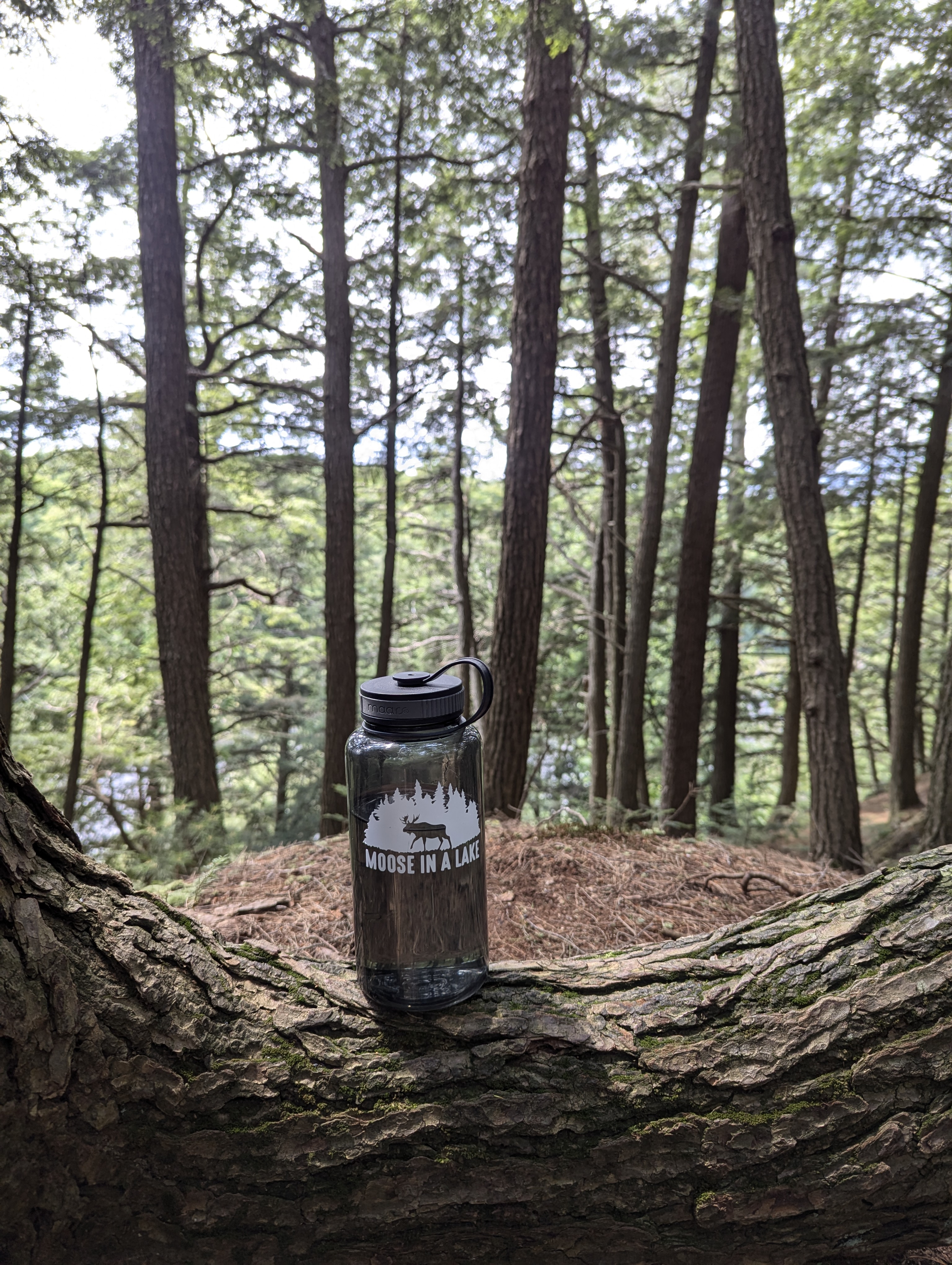
Now that you know the essentials, size and style should be your next focus. They determine how well your bottle fits into your adventure plans.
Benefits of 1.0 L vs 1.5 L
The right size balances capacity and portability. A 1-liter bottle is compact and ideal for short trips, while 1.5 liters provide more hydration for extended hikes. Heavy packers might prefer larger sizes despite the added weight for fewer refill stops.
Advantages of Wide Mouth Designs
Wide mouth bottles offer easy filling and cleaning. They can accommodate ice cubes, keeping your drink cooler longer. They’re also compatible with most water filters, which is crucial for backcountry treks. For more insights on wide mouth advantages, consider how much convenience matters in your choice.
Leakproof and Filter-Compatible Features
A leakproof design prevents spills, especially important when your bottle shares space with electronics. Filter compatibility ensures you can purify water from natural sources, a must for wilderness hikes. Check out the best filter-compatible bottles here.
Sustainable and Eco-Friendly Considerations
For eco-conscious adventurers, a sustainable bottle is non-negotiable. Here’s what to look for.
BPA-Free and Recyclable Materials
BPA-free materials ensure safety from harmful chemicals. Look for bottles made from recyclable materials to minimize environmental impact. Such choices support both personal health and planetary wellness.
Lightweight and Travel-Friendly Design
A lightweight bottle is crucial for reducing pack weight, making your journey easier. Travel-friendly designs, like collapsible options, save space. Combining these features with a robust structure ensures reliability without excess bulk.
Stainless Steel vs Titanium Options
Stainless steel is durable and often cheaper, while titanium offers unmatched strength-to-weight ratio. Titanium’s lighter weight makes it perfect for long treks. Choose based on your budget and weight priorities.
Frequently Asked Questions
What is the best capacity for hiking water bottles?
For hiking, a 1.0 to 1.5-liter bottle is recommended to balance weight and hydration needs. Larger sizes are ideal for extended trips or when water sources are scarce.
Why choose an insulated water bottle for hiking?
Insulated bottles maintain your drink’s temperature, which is crucial in extreme weather. They keep water cold or hot, enhancing comfort and hydration on long hikes.
Are BPA-free bottles safe for all-day use?
Yes, BPA-free bottles are safe as they don’t leach harmful chemicals. They’re an excellent choice for health-conscious hikers, ensuring safe hydration throughout your journey.
How do I ensure my bottle is leakproof?
Check the cap design—screw caps are typically the most secure. Ensure the seal is intact and test it with water before heading out to avoid surprises on the trail.
What makes titanium bottles a good choice for hiking?
Titanium is both lightweight and durable, ideal for long hikes where every ounce counts. It resists dents and corrosion, ensuring longevity even in rough conditions.
Reader Interactions