
Late-summer trails demand serious hydration. Carrying the right high-capacity water bottle can mean the difference between pushing through miles or running dry. We’ve pinpointed the 9 features every trail-ready bottle needs to keep you refreshed, whether you’re packing a 32 oz water bottle or a 40 oz water bottle for those long, hot days. Stick with us and gear up with confidence before the heat peaks. Explore our collection.
Essential High-Capacity Features
Choosing the right features in a water bottle can make your hike a lot more enjoyable. Here’s what you need to look for.
Reliable Leakproof Design
No one wants their pack soaked with water when they’re miles from camp. A reliable design means you can trust your water bottle not to leak, even if it gets tossed around in your bag. Look for features like locking lids and silicone seals to keep your gear dry and your thirst quenched.
Insulated for Cold Retention
When you’re out on a hot trail, keeping your water cold can make all the difference. Insulated bottles are designed to maintain your drink’s temperature for hours, making sure your refreshment is always on point. This is particularly essential for those long treks when you need a cool drink to keep going.
Filter-Compatible Wide Mouth
A wide mouth isn’t just for easy drinking—it’s also perfect for adding filters. Whether you’re using a straw filter or a drop-in model, being able to purify water from streams can save you from carrying too much weight. Plus, it makes cleaning your bottle a breeze.
Material and Build Considerations
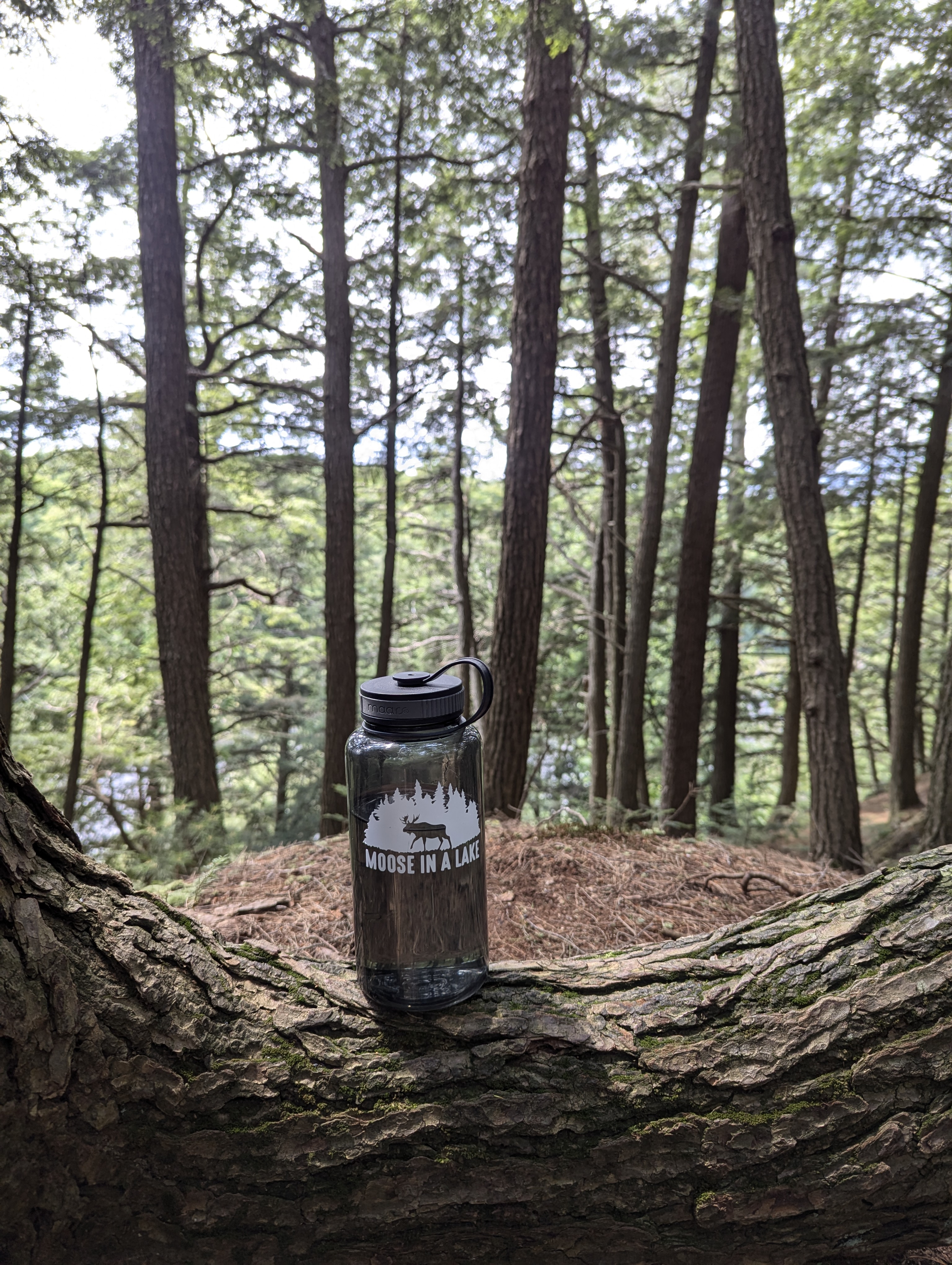
The material of your bottle matters almost as much as the features. Choose wisely to ensure you have a bottle that suits your needs.
Lightweight Titanium Options
When weight matters, titanium is your best friend. Known for its strength and feather-light feel, a titanium bottle is perfect for those who count every ounce. It’s durable enough to withstand the rigors of the trail and won’t weigh you down.
Eco-Friendly Recycled Stainless Steel
Going green doesn’t mean sacrificing durability. Stainless steel bottles made from recycled materials offer a sturdy, sustainable option. They’re tough enough to handle drops and bumps while reducing your environmental footprint.
Durable and BPA-Free Choices
Safety and durability often go hand in hand. BPA-free bottles help ensure you’re not exposing yourself to harmful chemicals while keeping your bottle intact through the roughest conditions. This makes them a go-to choice for any eco-conscious adventurer.
Practical Hiking Hydration Tips
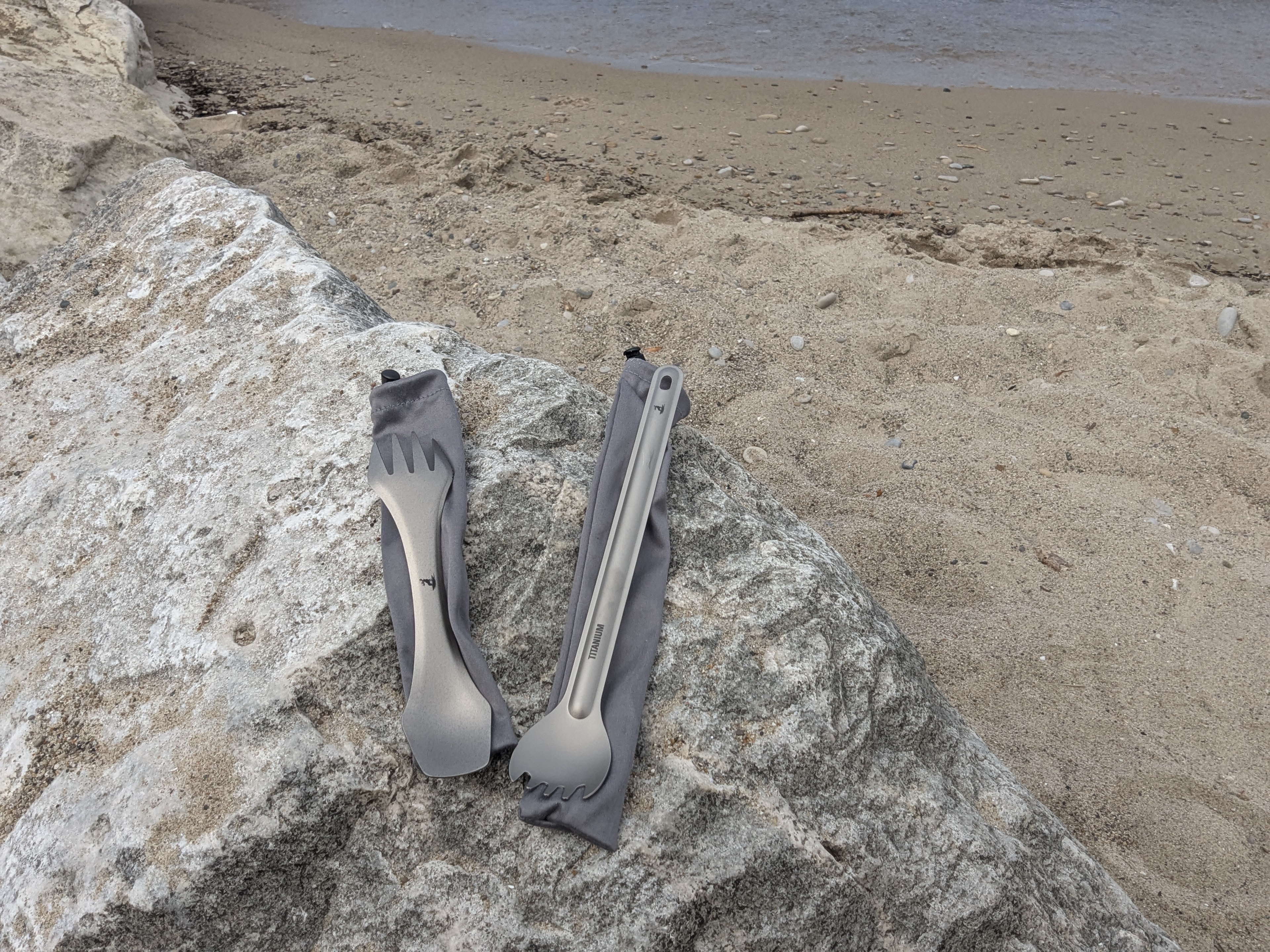
Hydration isn’t just about having the right bottle—it’s about using it right.
Choosing the Right Size: 32 oz vs. 40 oz
Deciding between a 32 oz water bottle and a 40 oz one often comes down to your personal needs and the trail’s demands. A 32 oz bottle is usually sufficient for short hikes or cooler days. For longer, hotter adventures, a 40 oz bottle ensures you won’t run dry. Consider the availability of water sources on your trail to make the best choice for your journey.
Late-Summer Hydration Strategy
In late summer, hydration plans become crucial. Start hydrating before you hit the trail, and keep sipping regularly. Carry a mix of water and electrolyte solutions to maintain your energy levels. Remember, once you’re thirsty, dehydration has already set in.
Sustainable Outdoor Gear Practices 🌲
Being kind to the planet while exploring its beauty can be simple. Use reusable bottles, avoid single-use plastics, and pick gear made from sustainable materials. By choosing eco-friendly options, you contribute to preserving the trails for future adventurers.
Frequently Asked Questions
What is the best water bottle for hiking?
The best bottle for hiking depends on your needs. Look for a durable, insulated, and leakproof design with sufficient capacity. Bottles with a wide mouth and lightweight materials like titanium are often preferred.
How do I decide between a 32 oz and a 40 oz water bottle?
Consider your trail’s length and weather conditions. A 32 oz bottle suits shorter hikes, while a 40 oz is better for longer or hotter days when more water is needed.
Why is BPA-free important in water bottles?
BPA-free bottles ensure you’re not exposed to harmful chemicals. This is crucial for health-conscious hikers who prioritize safety alongside durability.
Reader Interactions