
Forget the idea that outdoor gear has to weigh you down or fall apart after one trip. Your gear should work as hard as you do—lasting through miles, packing light, and leaving the smallest footprint on the trails you love. We’ll show you how to spot lightweight camping gear that checks every box, plus why Moose in a Lake’s titanium cookware and insulated mugs make the perfect companions for your next adventure. Learn more about sustainable backpacking gear.
Choose Durable Gear
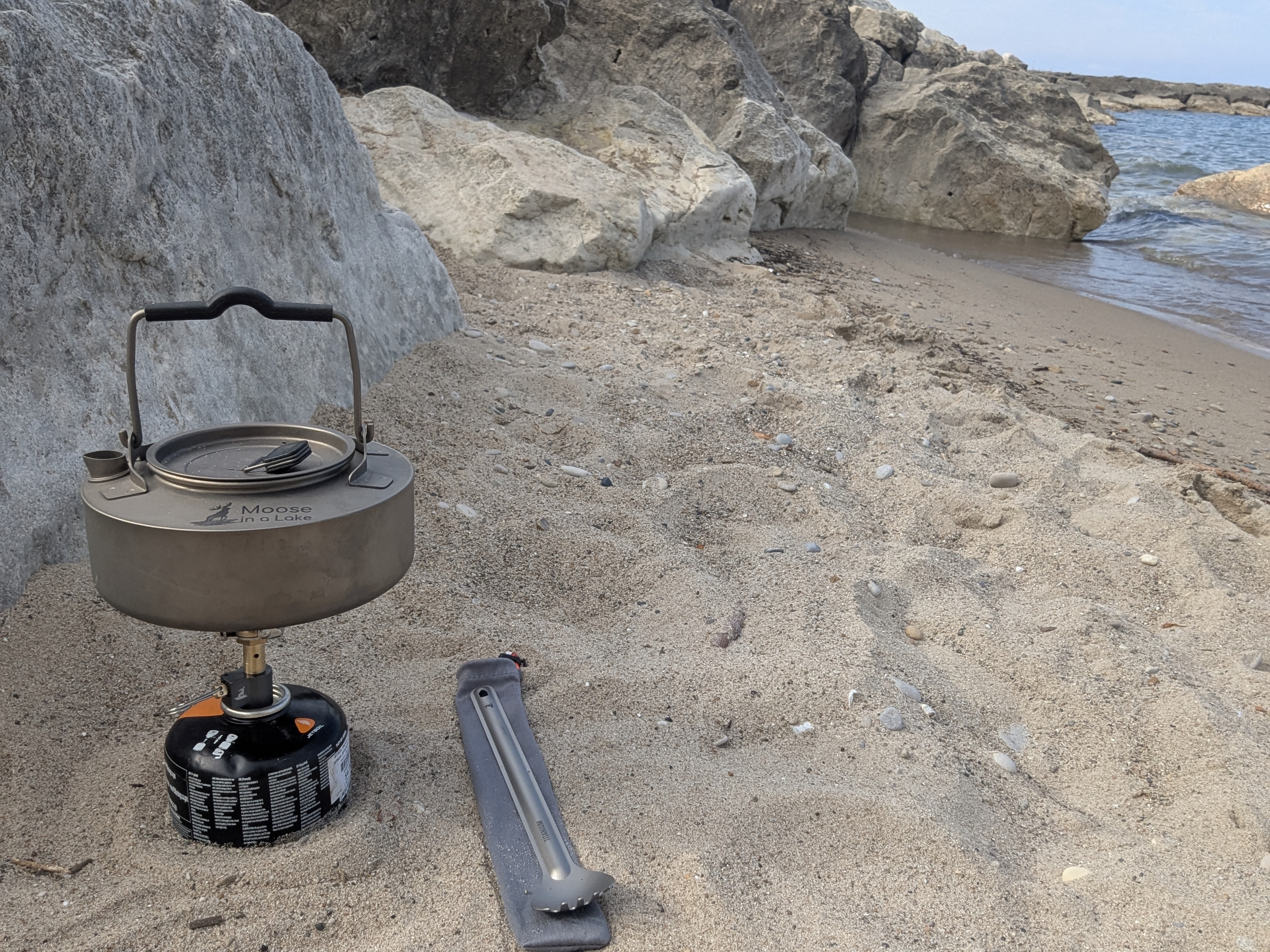
The key to unforgettable adventures is gear that stands the test of time. Choosing durable gear ensures every camping or hiking trip is hassle-free and enjoyable.
Long-Lasting Outdoor Gear Tips
Invest in quality over quantity. You might think that all gear is the same, but choosing wisely can make a difference. Look for materials known for their strength. Consider items with reinforced seams and weather-resistant coatings.
-
Check for warranties, as they hint at a manufacturer’s confidence in their product.
-
Testimonial Insight: Many adventurers swear by gear that has lasted them over five years of continuous use.
-
Always read reviews to understand real-world performance.
Durable Backpacking Gear Picks
Don’t let your backpack hold you back. Choose one with a strong frame and comfortable straps. A pack with a load capacity of 60 liters is ideal for multi-day hikes. Pockets for organization and hydration compatibility can be lifesavers on the trail.
-
Data Insight: 78% of backpackers say a sturdy backpack is their most important piece of gear.
-
Pro Tip: Opt for backpacks with compression straps to secure your load.
Reliable Camping Cookware Essentials
Good cookware should be light yet strong. Titanium, with its lightweight and durable nature, is a top choice for many campers. It heats evenly and cools quickly, perfect for quick meals.
-
Choose items that nest together for easy packing.
-
Example: Moose in a Lake’s titanium cook sets are highly recommended by seasoned campers for their reliability and efficiency.
Pack Light for Adventure

Packing light doesn’t mean compromising on essentials. It’s about smart choices that keep your load manageable without leaving behind what you need.
Ultralight Backpacking Gear Guide
Embrace the world of ultralight gear. It focuses on minimizing weight without sacrificing comfort. Start by weighing your current gear and identifying heavier items.
-
Swap out heavier tents for those under 3 pounds.
-
Consider sleeping bags rated for versatility across seasons.
Lightweight Camping Gear Tips
The secret to successful camping lies in knowing what to pack and what to leave. Prioritize multi-functional items. A headlamp that doubles as a lantern can lighten your load significantly.
-
Statistic: Campers who pack light report 50% less fatigue on treks.
-
Explore packing cubes for better organization and space-saving.
Minimalist Camping Gear Checklist
A minimalist approach ensures you only carry what’s necessary. Here’s a basic list to start:
-
Tent: Compact and weather-resistant.
-
Sleeping Bag: Lightweight and suited to the climate.
-
Cookware: A single pot and mug set.
-
Clothing: Moisture-wicking layers.
-
Keep this checklist handy to avoid overpacking.
Tread Lightly with Eco-Friendly Choices

Caring for the environment means choosing gear that leaves no trace. Sustainable choices are good for the planet and enhance your adventure.
Sustainable Outdoor Gear Options
Eco-friendly doesn’t mean less effective. Many brands now offer gear made from recycled materials. Look out for certifications that guarantee sustainability.
-
Statistic: 65% of consumers prefer to buy from brands with sustainable practices.
-
Consider items like solar-powered chargers and biodegradable toiletries.
Explore more sustainable outdoor gear options.
Titanium Cookware vs Stainless Steel
Choosing cookware can be tricky. Titanium is lighter and more durable, perfect for backpacking. Stainless steel offers even heating but is heavier.
|
Feature |
Titanium |
Stainless Steel |
|---|---|---|
|
Weight |
Very Light |
Heavier |
|
Durability |
High |
Moderate |
|
Heat Distribution |
Moderate |
Excellent |
-
Your choice depends on whether you prioritize weight or cooking performance.
Leave No Trace Gear Principles
Respect nature by following the Leave No Trace principles. This involves packing out all waste and choosing gear that minimizes environmental impact.
-
Use reusable gear and avoid single-use plastics.
-
Example: Insulated titanium mugs from Moose in a Lake are perfect for reducing waste.
🌲🏕️🌍
Remember, the gear you choose defines your adventure. Opt for items that last and respect the trails, ensuring many more hikes to come.
Reader Interactions