
Top 12 Strategies for Eco‑Conscious Travelers to Minimize Waste on the Trail
Cutting trail waste feels impossible when every step seems to add more trash. You’ve seen the piles of plastic cups and wrappers left behind, and you want better. That’s where smart choices meet tough gear like Moose in a Lake’s insulated titanium mug and ultralight cook set. Let’s explore 12 clear ways to hike cleaner and pack smarter with gear built to last. Check out this guide for more tips on reducing waste while hiking.
Eco-Friendly Camping Essentials
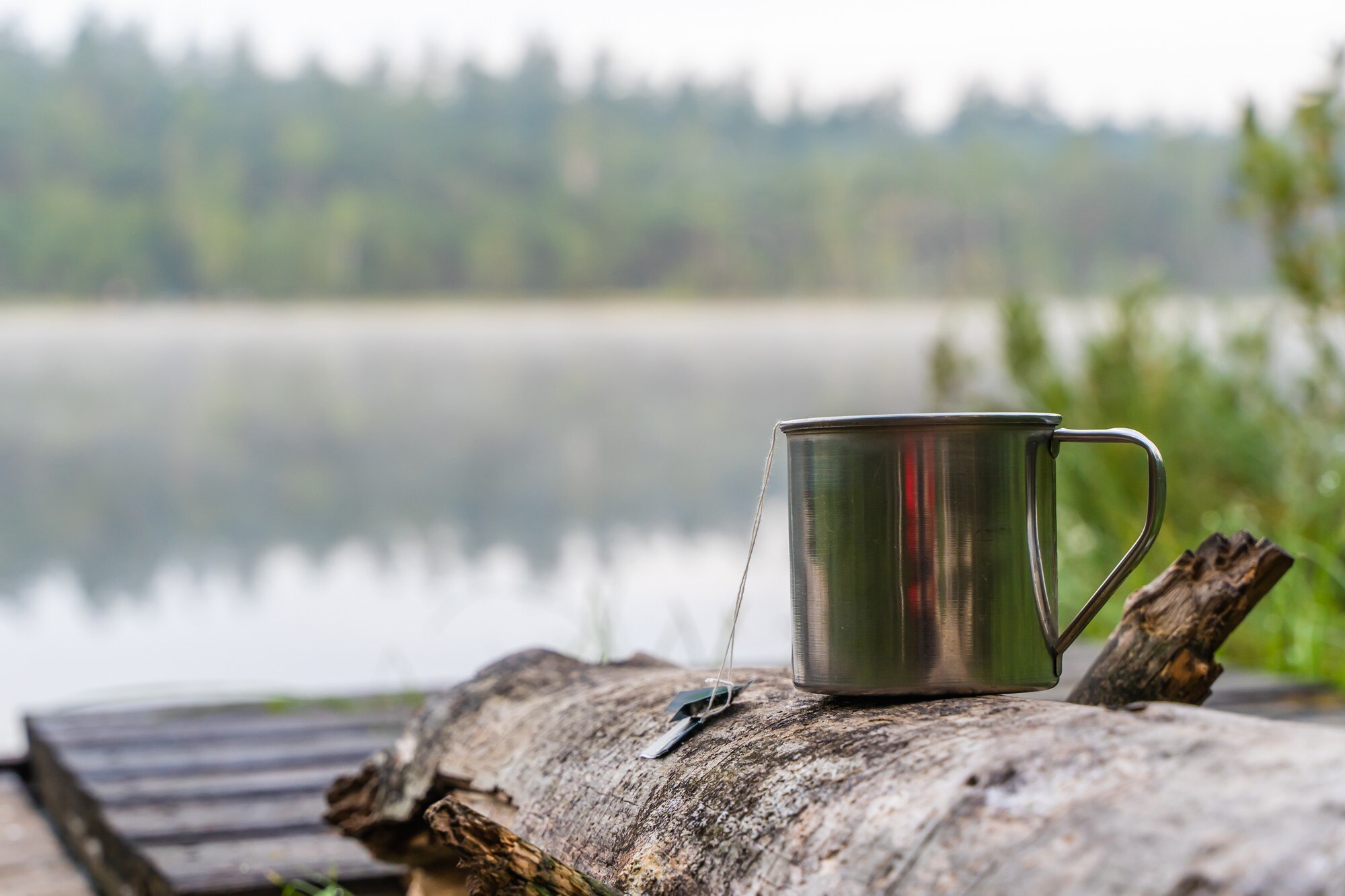
Choosing the right gear is the first step in reducing your trail impact. With titanium cookware and insulated mugs from Moose in a Lake, you’re already ahead in your eco-friendly camping journey.
Titanium Cookware Benefits
When it comes to cookware, titanium is a game-changer. It’s super lightweight, making it perfect for long hikes. Imagine carrying cookware that adds almost no weight to your pack! Titanium is also corrosion-resistant, ensuring your gear lasts through countless adventures.
Another perk of titanium cookware is its heat distribution. This means you can cook meals evenly without those annoying hot spots. Plus, its durability means less wear and tear over time, minimizing the need for replacements. For those truly committed to reducing waste, this is the ultimate gear choice.
Insulated Titanium Mug Must-Haves
Let’s talk about the must-have insulated mug. These mugs keep your drinks hot or cold for hours, meaning fewer disposable cups on the trail. Each time you use your insulated mug, you’re making a conscious choice for the planet.
Moose in a Lake’s titanium mugs are designed to be tough yet lightweight, fitting snugly in your backpack. They’re perfect for sipping hot cocoa under the stars or enjoying a cool drink after a long hike. Investing in one of these mugs is a small step with a big impact on reducing trail litter.
Trail Waste Reduction Techniques
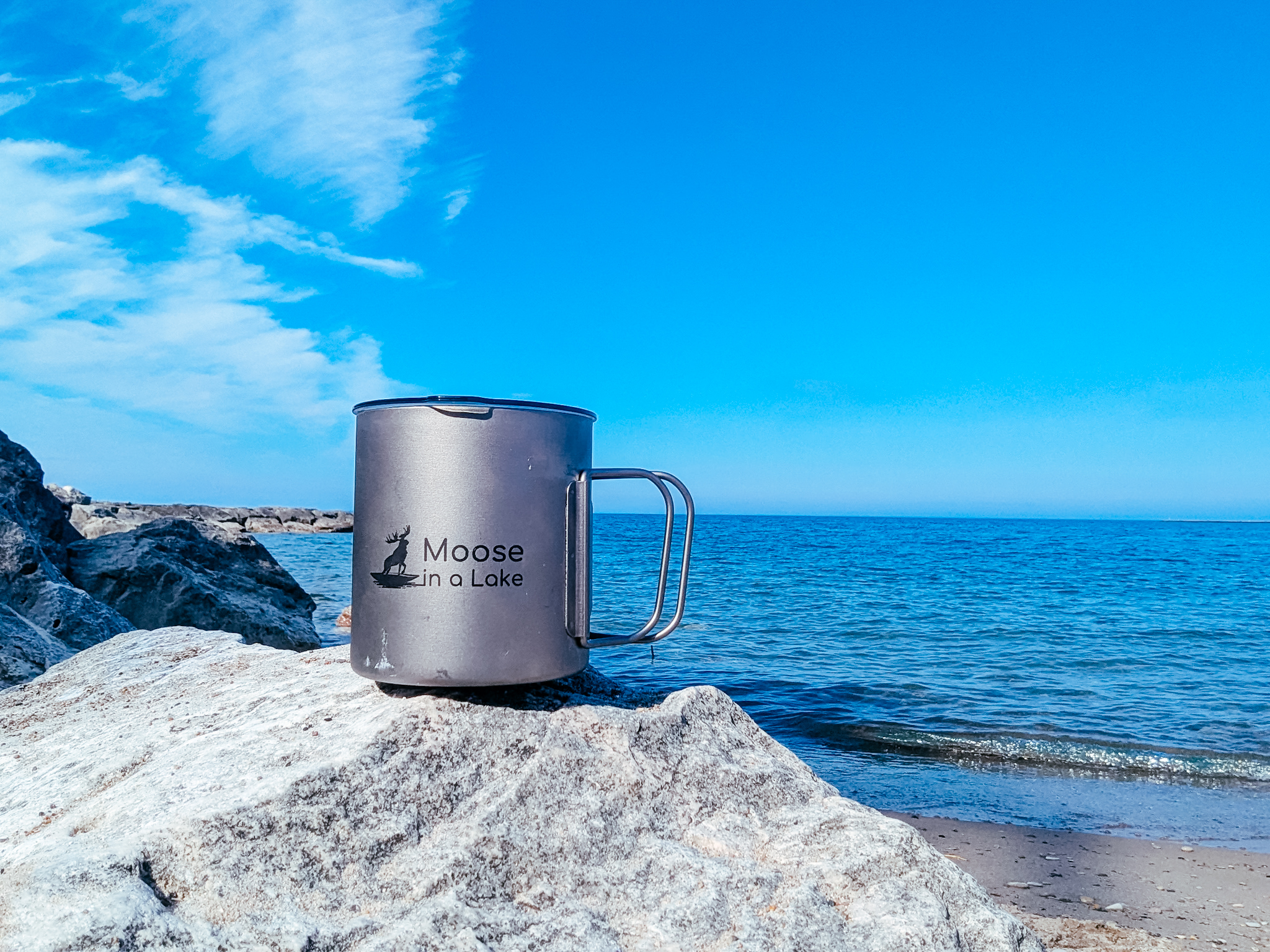
Equipped with the right gear, it’s time to focus on techniques that further reduce waste. Let’s dive into some practical tips that can make a significant difference in your outdoor adventures.
Low-Waste Backpacking Tips
-
Plan Your Meals: Opt for bulk items and repackage them in reusable containers. This cuts down on packaging waste and helps manage portions more effectively.
-
Choose Reusable Over Disposable: Swap out plastic utensils and paper plates for reusable versions. They’re easy to clean and last longer.
-
Smart Packing: Use multi-purpose items to minimize what you need to carry. A scarf can double as a towel, and a titanium pot can serve as both a cooking and eating vessel.
By integrating these practices, you ensure that your backpacking trips are not only enjoyable but also environmentally conscious. For more in-depth strategies, check out The Trek’s guide on reducing environmental impact while hiking.
Pack It In, Pack It Out
The age-old saying “pack it in, pack it out” is simple yet powerful. When you bring something on the trail, make sure it leaves with you. This approach is crucial in preserving natural beauty for future explorers.
Carrying a small trash bag helps manage any waste you generate. It’s a small addition to your pack that ensures you leave the trail as pristine as you found it. Remember, the longer you wait to adopt these habits, the more challenging it becomes to reverse the impact on our trails.
Sustainable Camp Tips

As you become more mindful of waste, consider sustainable practices that enhance your camping experience. Durable, green gear not only reduces your footprint but also maximizes your enjoyment of the outdoors.
Green Backpacking with Durable Gear
Choosing durable gear is a smart investment. Items like ultralight cook sets and durable water bottles are essential for eco-conscious backpacking. These products withstand tough conditions, meaning fewer replacements and less waste over time.
Durable gear also aligns with the principle of “reduce, reuse, recycle.” By investing in long-lasting products, you contribute to a more sustainable future. For more inspiration, explore sustainable travel tips that align with your outdoor values.
Responsible Camping Practices 🌿
Responsible camping involves minimizing your footprint and respecting nature. Start by setting up camp at least 200 feet away from water sources to protect delicate ecosystems. Use biodegradable soap and avoid washing directly in streams or lakes.
Stick to established trails and campsites to prevent damage to vegetation. And when it’s time to leave, ensure your site is spotless. This commitment to Leave No Trace principles not only safeguards the environment but also ensures that others can enjoy the same beauty you did.
By embedding these practices into your outdoor adventures, you join a community of like-minded enthusiasts dedicated to preserving our planet. Share your experiences and tips with others by joining the Outdoor Prolink Community on Facebook. Every effort counts in creating a sustainable future for all trail lovers.
Reader Interactions