
Eco-Friendly Camping: Small Steps, Big Impact
Most campers think going green means giving up comfort or style. That’s just not true. Small shifts in your routines and gear—like choosing sustainable camping essentials—can cut your impact without slowing your adventure. Stick around, and you’ll see how eco-friendly gear like titanium cookware not only saves the planet but makes your trips lighter and better. For more tips, check out this sustainable camping checklist.
Sustainable Camping Essentials
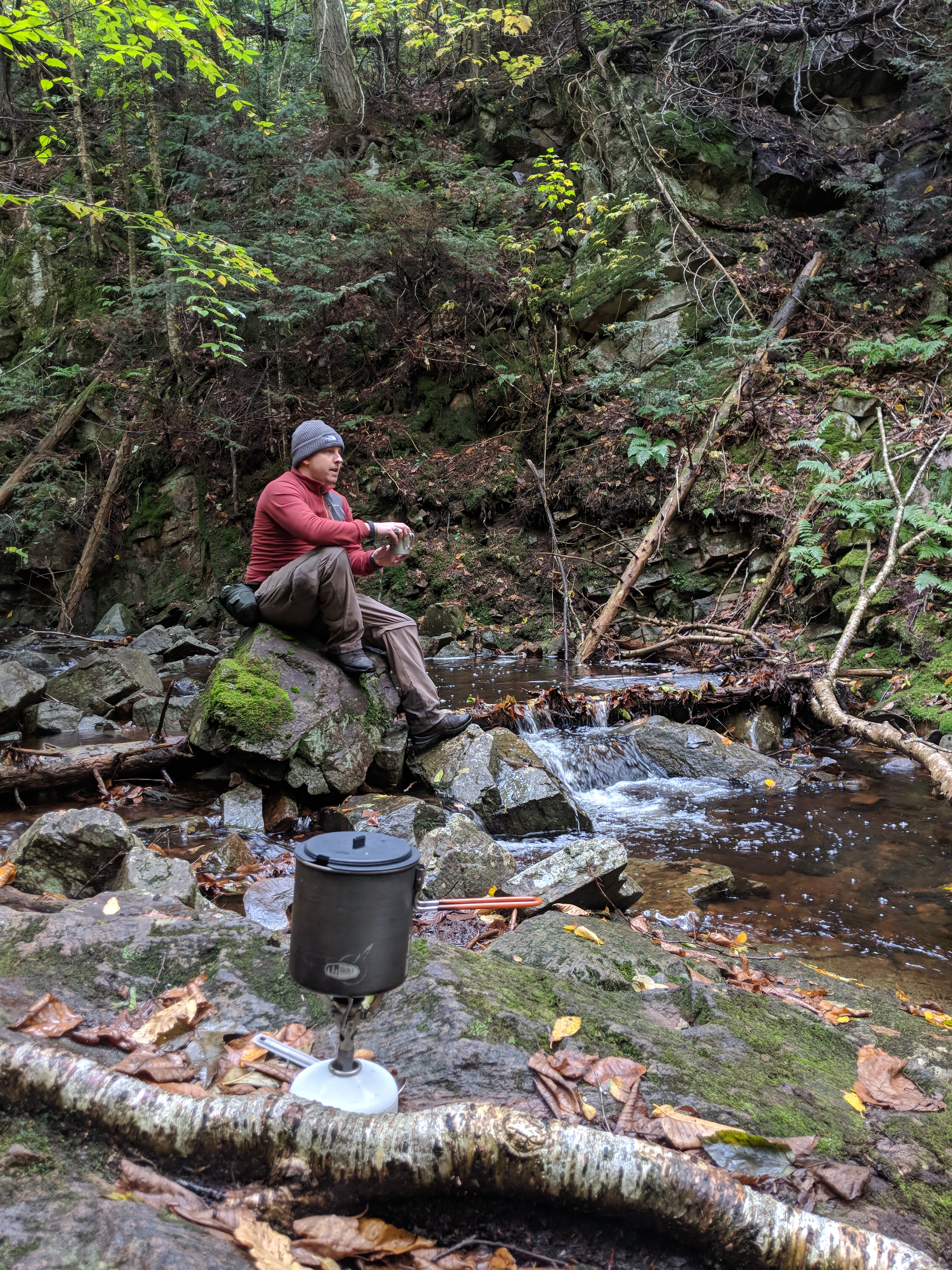
When you’re gearing up for your next adventure, the right equipment makes all the difference. Your choices can also support the environment without sacrificing comfort or style.
Eco-Friendly Gear Selection
Start with the basics. Your tent, sleeping bag, and backpack can all be eco-friendly. Look for materials made from recycled goods or those certified by environmental groups. It’s not just about being green; these products often offer better durability.
Here’s a quick story to illustrate: A fellow camper switched to a recycled fabric tent last year. She found it to be just as sturdy, withstanding strong winds and rain. Plus, she felt great knowing her purchase helped reduce waste.
-
Look for certifications: Products with environmental certifications ensure reduced impact.
-
Durability counts: Quality gear lasts longer, decreasing landfill contributions.
Check this guide on sustainable camping tips for more insights.
Titanium Cookware Benefits
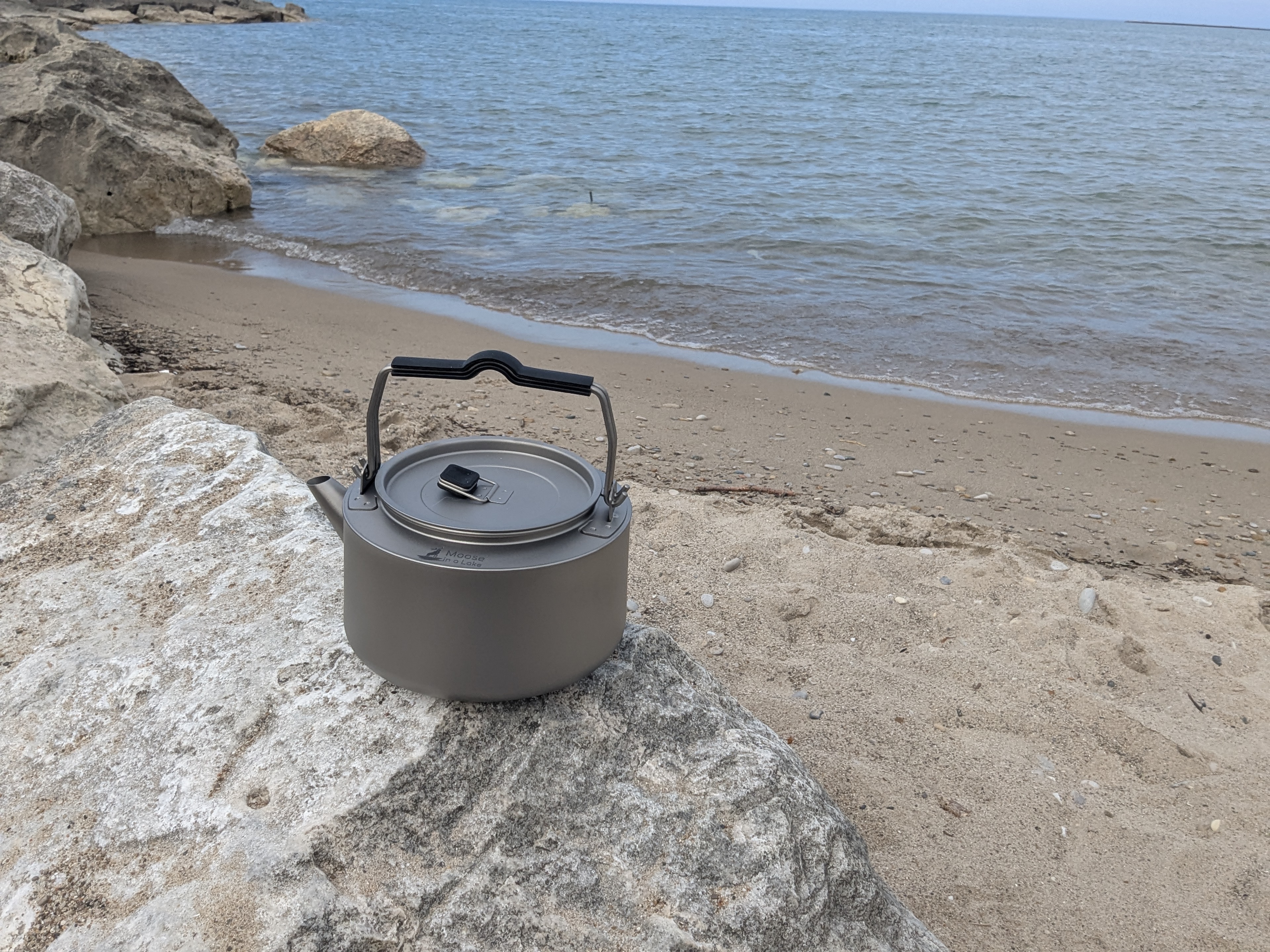
Ditch the clunky pots and pans. Titanium cookware is a game-changer. It’s not only lightweight but also incredibly sturdy, making it perfect for outdoor adventures. With titanium, your pack becomes lighter, allowing you to travel further.
Most think titanium is only for the pros, but it’s perfect for any camper. It heats evenly, meaning your campfire meals are cooked just right. Plus, it’s non-toxic and won’t leach chemicals into your food.
-
Weight advantage: Titanium’s lightness makes long treks easier.
-
Thermal efficiency: Heats food evenly, enhancing meal quality.
For more on outdoor cooking essentials, explore this eco-friendly tent camping guide.
Small Steps for Big Impact
Even small actions can lead to substantial environmental benefits. By adjusting your habits, you can protect nature for future explorers.
Leave No Trace Principles
Leave No Trace is a set of outdoor ethics promoting conservation. It’s about respect for nature, ensuring it remains pristine for everyone. Key practices include packing out all trash, minimizing campfire impact, and respecting wildlife.
One camper shared, “I started cleaning up after others on my hikes. It’s rewarding to see a clean trail and know I contributed.” This practice not only benefits the earth but also enriches your camping experience.
-
Pack it in, pack it out: Always take your trash with you.
-
Stay on trails: Protects natural habitats from being trampled.
Learn more about these principles from this eco-camping tips blog.
Choosing Eco-Friendly Campsites
The campsite you pick can impact the environment. Opt for sites that prioritize sustainability. These places often have waste management systems and use renewable energy sources.
A recent survey showed that campers who chose eco-friendly sites reported feeling more connected to nature. They enjoyed knowing their stay didn’t harm the environment.
-
Research before booking: Check if campsites follow sustainable practices.
-
Support local communities: Many eco-friendly sites contribute to nearby towns.
Inspiring a Sustainable Adventure Community

By adopting eco-friendly practices, you can inspire others and build a community focused on preserving nature.
Engaging with Fellow Outdoor Enthusiasts
Connect with other campers who share your passion for sustainability. Online forums, local meetups, or social media groups are great places to start. Sharing experiences and tips can motivate everyone to adopt greener habits.
Remember the story of a camper who started a local cleanup group? Their weekly meetups now attract dozens of volunteers, all eager to make a difference.
-
Join local groups: Collaborate on conservation projects.
-
Share your story: Encourage others through personal experiences.
Sharing Sustainable Practices and Tips
Be a leader in your community by sharing what you’ve learned. Host workshops, write blogs, or simply chat with fellow campers. The more people know, the bigger the collective impact.
One camper’s blog on eco-friendly camping reached thousands. Readers were inspired to make changes, proving the power of shared knowledge.
-
Create content: Blogs and videos can reach broad audiences.
-
Host events: Foster community learning and engagement.
🌿🏕️🌍
By integrating these practices, you not only enhance your camping experience but also contribute to preserving the planet. Your small steps today can lead to a healthier, more beautiful world for future adventurers.
Reader Interactions