
Forget lugging around bulky bottles that leak or weigh you down. You need a high-capacity water bottle that keeps pace with your hikes and travels without slowing you down. This guide breaks down what matters—from size and weight to insulation and filter compatibility—so you can pick the perfect bottle for your next adventure. Find your perfect carry. Shop Moose in a Lake High‑Capacity Water Bottles, compare 1.0L–1.5L options, and gear up for your next trip today. For more tips, check out this guide.
Choosing the Right Capacity
Finding the perfect water bottle capacity is crucial for any adventure. Let’s explore why the 1L to 1.5L sizes are ideal for keeping you hydrated without extra weight.
Benefits of 1L to 1.5L Sizes
A 1L to 1.5L water bottle offers the sweet spot for most outdoor activities. It’s large enough to keep you hydrated during a hike or long travel day. You won’t need to carry multiple bottles, which means less hassle. A 1L bottle can hold about 32 oz of water, while a 1.5L bottle holds around 50 oz. This capacity provides enough water for several hours, reducing the need to refill frequently.
These sizes also fit comfortably in backpack pockets and are easy to carry. You can enjoy your hike knowing you’ve got a reliable source of hydration. Plus, they balance well between holding enough water and not being too heavy. A Moose in a Lake water bottle ensures you have just the right amount for your journey.
Balancing Weight and Volume
Balancing weight and volume is key to comfort during long hikes or travels. A lightweight bottle won’t slow you down, even when filled. Look for materials that offer strength without extra bulk. A 1L bottle filled with water weighs about 2.2 lbs, which is manageable for most adventurers. Opting for a 1.5L bottle means carrying an extra pound, but the trade-off is more water for longer journeys.
Consider your planned activities. Are you hiking in a dry area with few water sources? Then a larger bottle might be worth the weight. If you’ll be near streams or refilling points, a 1L bottle can suffice. Remember, your bottle should serve your needs without becoming a burden. Visit Trailnexo for more tips on choosing the best hiking water bottle.
Material and Insulation Options
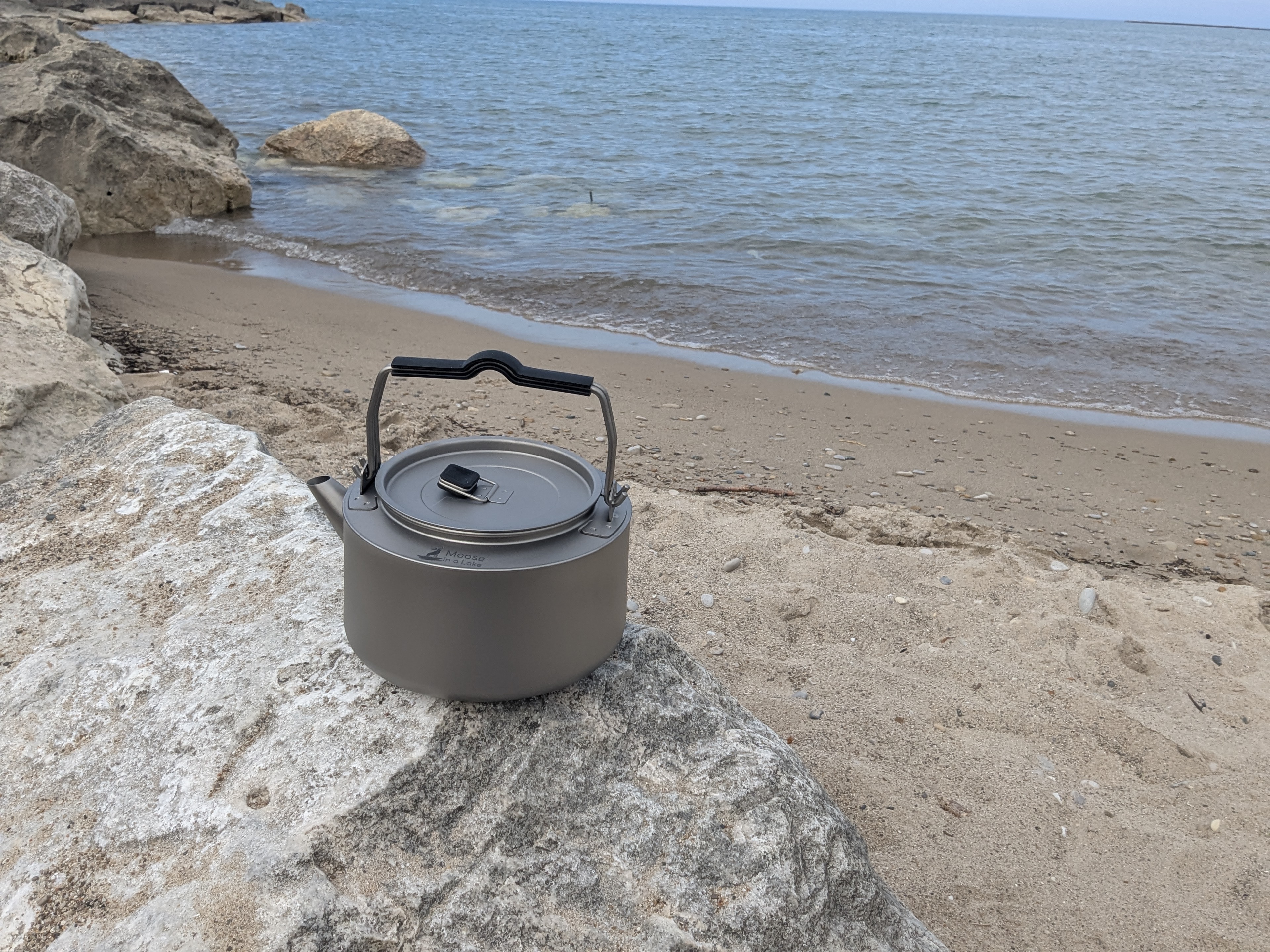
After choosing the right capacity, the next step is selecting the suitable material and insulation for your adventure needs.
Comparing Insulated vs. Uninsulated
Insulated water bottles keep your water cold or hot for hours. They’re perfect for extreme temperatures, ensuring your drink stays refreshing or soothing. An insulated stainless steel bottle is an excellent choice for hiking in hot climates or winter conditions. However, insulation adds weight, which may not be ideal for weight-conscious travelers.
Uninsulated bottles are lighter and often more affordable. They’re great for mild climates or short trips where temperature control isn’t crucial. Remember, though, without insulation, your drink’s temperature will change more quickly. For more insights, check out this guide on insulated and uninsulated bottles.
Exploring Titanium and Stainless Steel
Choosing between titanium and stainless steel can impact both weight and durability. Titanium bottles are incredibly light and robust, making them a premium choice for ultralight gear enthusiasts. They resist corrosion and stand up to harsh conditions. However, titanium can be more expensive.
Stainless steel, on the other hand, offers durability and insulation options at a lower price point. It’s heavier than titanium but provides excellent impact resistance and longevity. Both materials are BPA-free and eco-friendly, aligning with sustainable outdoor gear preferences. To learn more about the benefits of these materials, visit Thermarest.
Essential Features for Outdoor Use

Selecting the right features can elevate your outdoor experience, ensuring your water bottle is up to the task.
Importance of Leakproof Lids
A leakproof lid is non-negotiable for outdoor adventures. The last thing you want is a soggy backpack. Look for lids with secure seals and locking mechanisms. Wide-mouth bottles with leakproof lids offer easy access and cleaning, making them a favorite among hikers and travelers. A leakproof lid ensures your gear stays dry, giving you peace of mind.
Understanding Filter Compatibility and Lids
Filter compatibility is a game-changer for those venturing into the wild. A filter-compatible bottle allows you to safely drink from streams and lakes, extending your range without carrying extra water. Ensure your bottle has the right lid setup for attaching filters. This feature can be particularly useful in remote areas where water sources are scarce. Explore options like the best water bottles for outdoor adventures for more ideas.
🌲🥾✨
Frequently Asked Questions
What size water bottle is best for hiking?
A 1L to 1.5L bottle is ideal for hiking, providing enough water for several hours without being too heavy.
Is an insulated water bottle necessary for travel?
It depends on the climate and your preferences. Insulated bottles are great for temperature control but add weight.
What’s the advantage of titanium over stainless steel?
Titanium is lighter and just as durable as stainless steel, making it perfect for ultralight packing.
Are leakproof lids important for outdoor bottles?
Absolutely. They prevent spills and keep your gear dry, which is crucial on adventures.
Can I use a filter with any water bottle?
Not all bottles are filter-compatible. Look for bottles designed with attachments for filters if you’ll need this feature.
Reader Interactions