
Forget lugging around bulky bottles that weigh you down before you even hit the trail. Your high-capacity water bottle should keep you hydrated all day without adding extra bulk or hassle. In this guide, you’ll find the key features to look for—from lightweight materials to leakproof lids—plus why Moose in a Lake’s durable, eco-friendly options are a smart choice for every all-day hike or travel adventure. https://www.advnture.com/buying-guides/best-water-bottle
Must-Have Features for Hikers
When you’re out on a hike, having the right water bottle can make all the difference. Let’s dive into what you need to look for to keep your adventures easy and hydrated.
Durability and Construction
Your bottle should withstand the rough and tumble of a hike. Look for bottles made from sturdy materials that can handle drops and bumps. Many hikers prefer stainless steel or titanium for their strength. It’s not just about surviving a fall, though. These materials resist rust and corrosion, ensuring your bottle lasts through many adventures.
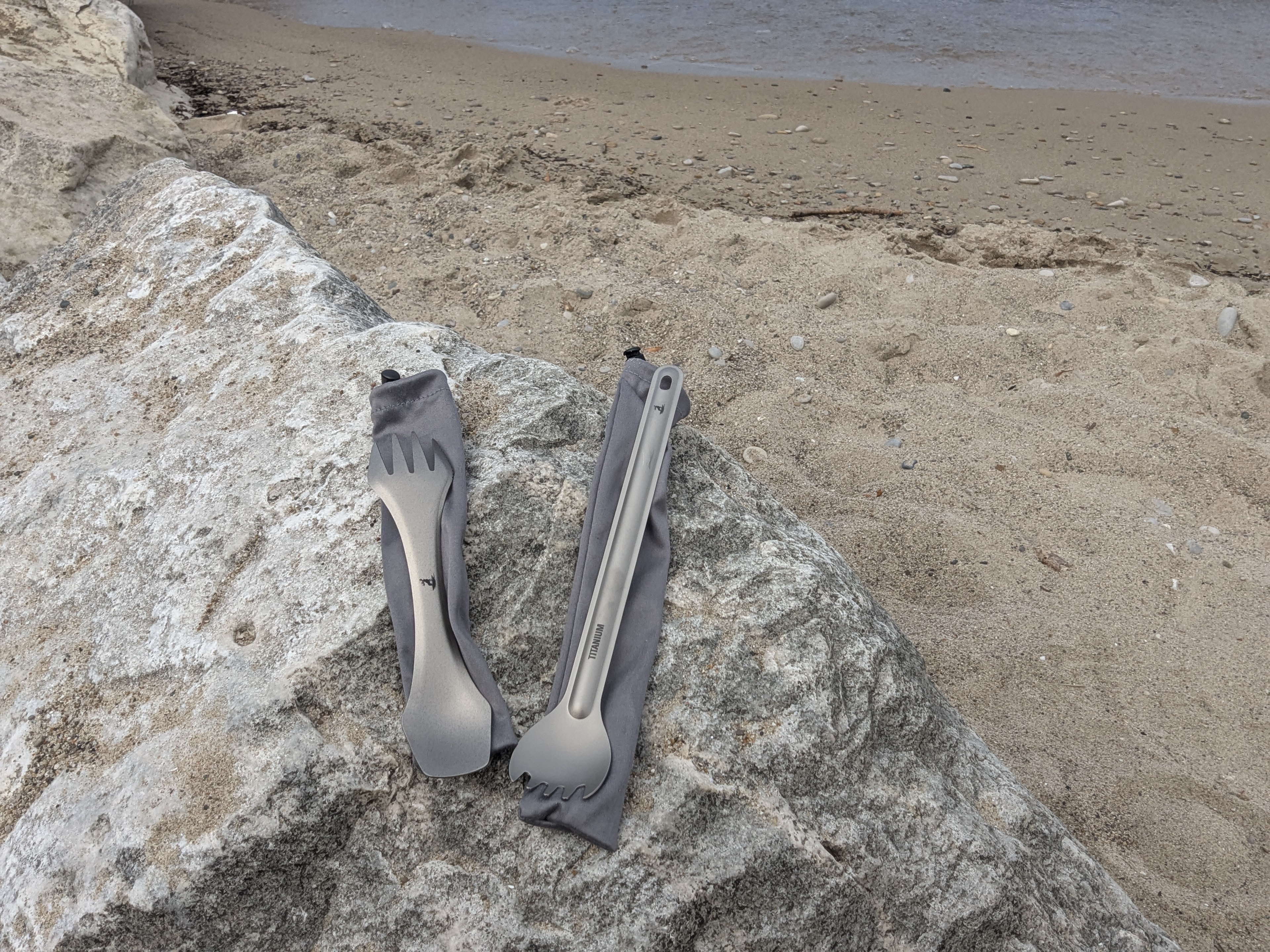
Titanium is a standout choice. It’s incredibly strong and much lighter than traditional steel. This combo makes it the perfect partner for your backpacking gear. Remember, a durable bottle means fewer replacements, saving you money in the long run.
Optimal Size and Capacity
Choosing the right size is all about your needs. A 32 oz water bottle might be perfect for short trips, while a 40 oz water bottle suits longer hikes. You’ll want to balance capacity with weight, aiming for a lightweight water bottle that’s easy to carry.
It’s not just about how much it holds. Think about the bottle’s shape. A wide-mouth bottle makes it easier to fill and clean, while a slimmer design might fit better in your pack’s side pocket. Picking the right size ensures you stay hydrated without overpacking.
Filter Compatibility
If you’re trekking in remote areas, filter compatibility is crucial. Some bottles work seamlessly with water filters, letting you drink safely from streams and lakes. This feature is a game changer for those who venture off the beaten path.
Not all bottles offer this, so check before you buy. A filter-compatible bottle lets you carry less water, relying instead on natural sources. This can significantly reduce your load, making your hike more enjoyable.
Spotlight on Moose in a Lake Bottles

Now that you know what features to look for, let’s see how Moose in a Lake’s bottles stack up. These options provide everything you need for a successful hike.
Material Choices: Stainless Steel vs Titanium
Moose in a Lake offers both stainless steel and titanium bottles. Stainless steel is great for durability and cost-effectiveness. Titanium, meanwhile, is lighter, making it ideal for those who prioritize ultralight gear.
Both materials provide excellent strength, but titanium stands out for its weight advantage. If shaving off ounces is your goal, a titanium water bottle is the way to go. You get durability without the weight, a win-win for serious hikers.
Insulation Types: Single vs Double-Wall
With insulation, you have choices. Single-wall designs are lighter, while double-wall insulation keeps your drinks cold or hot longer. Moose in a Lake provides both, letting you pick based on your needs.
For summer hikes, a vacuum insulated bottle is perfect. It maintains your drink’s temperature, offering a refreshing sip even hours later. On the other hand, if weight is your top concern, a single-wall might be your pick.
Lid Options and Leakproof Designs
A bottle’s lid can make or break your experience. Moose in a Lake ensures their lids are leakproof, so you never have to worry about spills in your pack.
They offer various lid types, including wide-mouth and straw designs. Each option caters to different needs. If quick sips are your goal, a straw lid is convenient. For easy filling, a wide-mouth bottle is unbeatable. Choose what fits your preferences best.
Eco-Friendly and Sustainable Choices
Beyond just functionality, consider the environmental impact. Moose in a Lake takes pride in their eco-friendly practices.
Benefits of BPA-Free and Recycled Materials
Your health and the planet matter. Moose in a Lake’s bottles are BPA-free, reducing harmful chemicals. They also incorporate recycled materials, showcasing commitment to sustainability.
Choosing a BPA-free bottle means you’re looking out for your long-term well-being. Recycled stainless steel options highlight how you can enjoy nature without harming it. Every purchase supports a healthier planet.
Responsible Manufacturing Practices
Sustainability goes beyond materials. Moose in a Lake is dedicated to responsible manufacturing. This means reducing waste and ensuring eco-friendly production processes.
Supporting brands with sustainable practices encourages more companies to do the same. It’s a small step that contributes to larger environmental goals. When you buy from Moose in a Lake, you’re investing in a better future for our planet.
Frequently Asked Questions
What size water bottle is best for long hikes?
For long hikes, a 40 oz water bottle is often ideal. It balances capacity with weight, keeping you hydrated without being cumbersome.
Is titanium better than stainless steel for a water bottle?
Titanium is lighter and just as strong, making it better for those who prioritize weight. Both materials offer excellent durability, though.
Why choose a BPA-free bottle?
BPA-free bottles are safer for your health, as they avoid harmful chemicals. They also align with eco-friendly practices, benefiting the environment.
How do I ensure my bottle is leakproof?
Look for bottles with secure, tested lids. Brands like Moose in a Lake focus on leakproof designs to protect your gear.
Can I use my water bottle with a filter?
Yes, if the bottle is filter-compatible. Check product details to ensure compatibility, especially if you plan on sourcing water from natural locations.
Reader Interactions